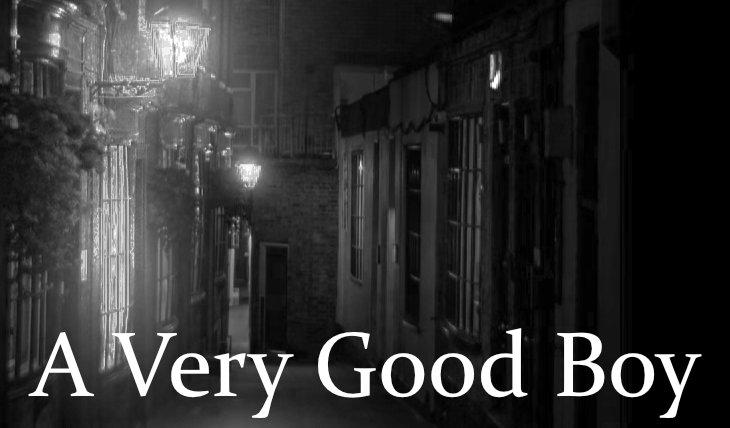
© Matthew L. Jones
“Be a very good boy, John.” his mum always said as darkness fell and the stink of gin rose in her words. Then, in a hustle of cheap ruffles, she was gone until dawn.
By day she was a washerwoman. By night, she did what she had to.
His father died when John was small, leaving behind only the magnifying glass he used for reading. The world looked best to John through that eyeglass. But not up close. He preferred holding it at arm’s length, marveling at the inverted, fish-eye streets of Whitechapel as he dashed between pools of gaslight. It made his damp, colorless Victorian reality seem more livable.
He was free to explore the night, darting past gentlemen in tall hats with proper ladies on their arms, and down dark alleyways where desperate women—like his mother—knelt before rough-looking men.
It was in an alley that John found his mother one night, half-buried in a pile of refuse. Her eyes wide, her throat cut. He was not frightened. Instead, he was instantly captivated. He used his father’s magnifier to study her wounds in great detail. The cuts seemed ragged. Sloppy. Artless.
With a sharp enough knife, he knew he could do better. And he would, many times over.
At that moment the boy his mother had called “John” started to fade, and the man history would know as “Jack” began to rise—and he was not a very good boy at all.
 Matt Jones | Writer
Leave a comment